


Enoggera Defence Story Sits Behind Stephen Day’s QLD Day Honour 

Major General Stephen Day DSC AM’s latest QLD Day honour reflects a career shaped by Army leadership, mentoring and veteran support, with Enoggera’s defence community forming part of that wider Brisbane story. 


A Brisbane Honour With Defence Roots

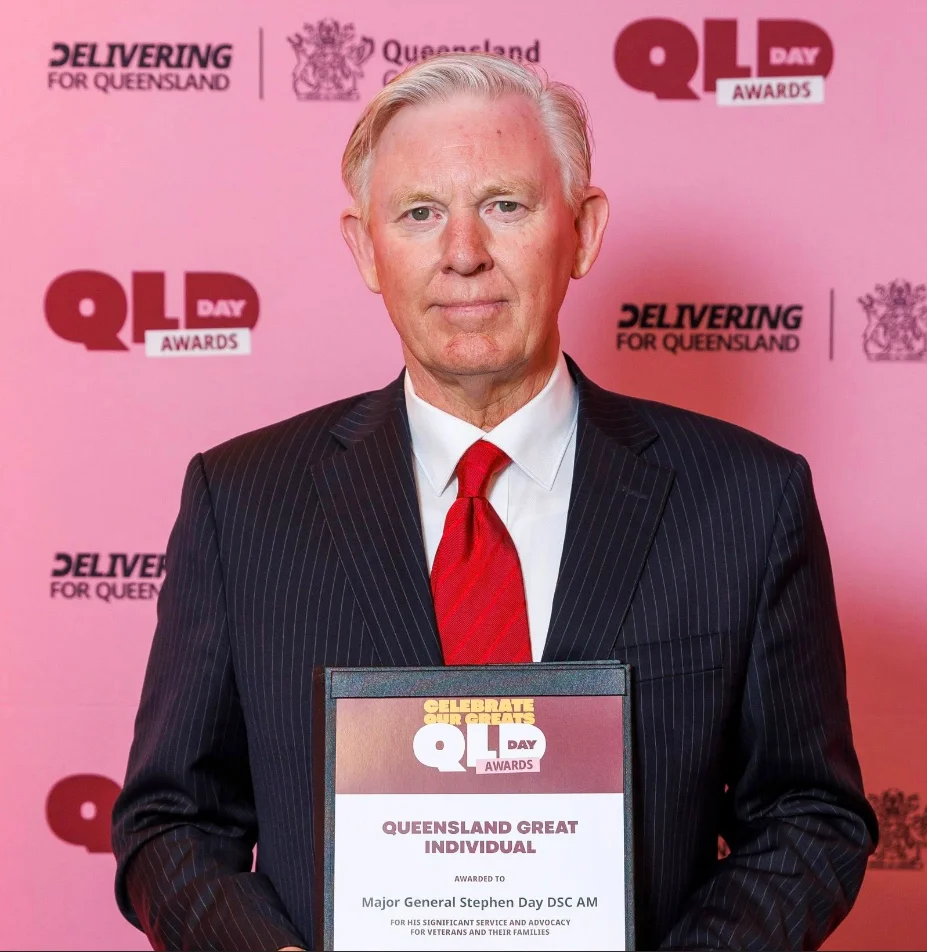
Major General Stephen Day DSC AM has been named the Individual Great recipient in the 2026 QLD Day Awards, recognising a career that has moved from senior Army service to ongoing work with veterans, volunteers and future military leaders.

His 40-year Australian Army career and continuing role mentoring Brigade and Division commanders place the honour within Brisbane’s defence landscape, including Enoggera’s Gallipoli Barracks.

The award was part of the 2026 QLD Day Awards, which recognised Queenslanders and organisations for service, leadership and contribution. More than 600 nominations were received across Queensland, with recipients named across categories including Local Legends, Count on a Queenslander, Philanthropic Great, Posthumous Great, Institution Great and Individual Great.
A Career Shaped By Leadership

Major General Day served in the Australian Army for 40 years, including service connected to conflicts in Africa, East Timor, Iraq and Afghanistan. His career included senior responsibilities in multinational operations, where planning, command experience and leadership were central to his work.

His leadership has been formally recognised by Australia, France and the United States. After leaving full-time Army service in 2015, he moved into business, where he advised boards and executives on leadership and the developing cyber threat.

His influence in defence leadership has continued beyond full-time service. He mentors Army Brigade and Division commanders part-time and is identified as the author of the current defence doctrine on leadership.

That ongoing work gives the award more depth than a single title or ceremony. It reflects a career spent leading, mentoring and helping others carry responsibility in demanding environments.

Service Continued Through Veteran Support

Major General Day was elected RSL Queensland president in December 2021. His later work has remained closely tied to veterans, their families and the volunteers who support them.

During National Volunteer Week in May 2026, he acknowledged RSL Queensland members who contribute through local services, programs, commemorations, fundraising and practical support. His message focused on the quiet but important work of showing up for veterans and families after service.

That continued focus on people after military life sits alongside his long defence career. It shows why the Individual Great honour is not only about what he achieved in uniform, but also about how his service has continued since.
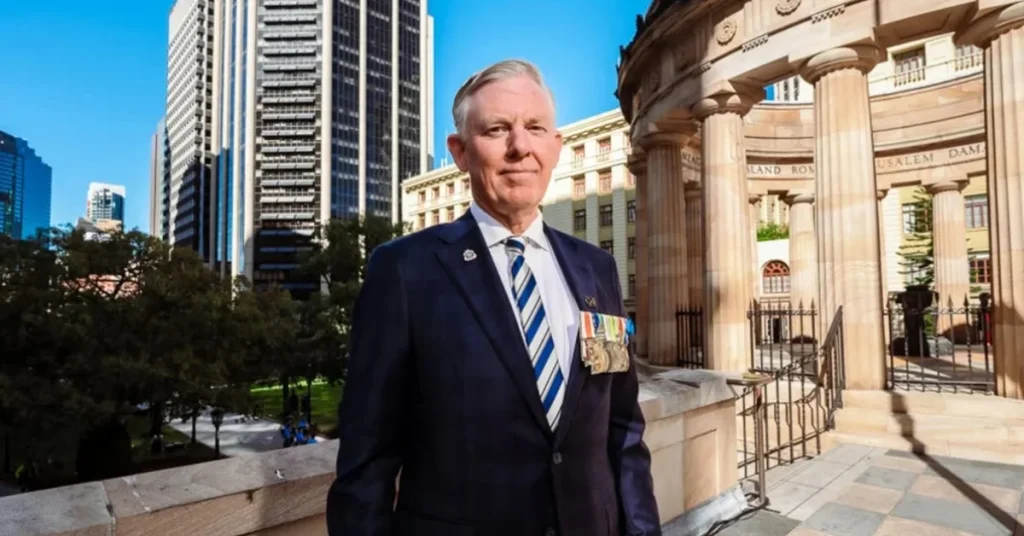
Major General Stephen Day
Photo Credit: RSL Queensland

Recognition For A Life Of Service

Major General Day’s response to the QLD Day honour focused on shared service rather than personal achievement. He connected the award to those he had served beside and to continued service within the community, Queensland and Australia.

Across Brisbane’s defence community, including Enoggera, his recognition reflects a familiar story of leadership, duty and support for those connected to service life.


Major General Day’s latest achievement under the QLD Day Awards recognises decades of responsibility, from military operations and leadership mentoring to veteran advocacy and community support. It is a public honour rooted in a long record of service that has continued well beyond the Army.

Published 9-June-2026
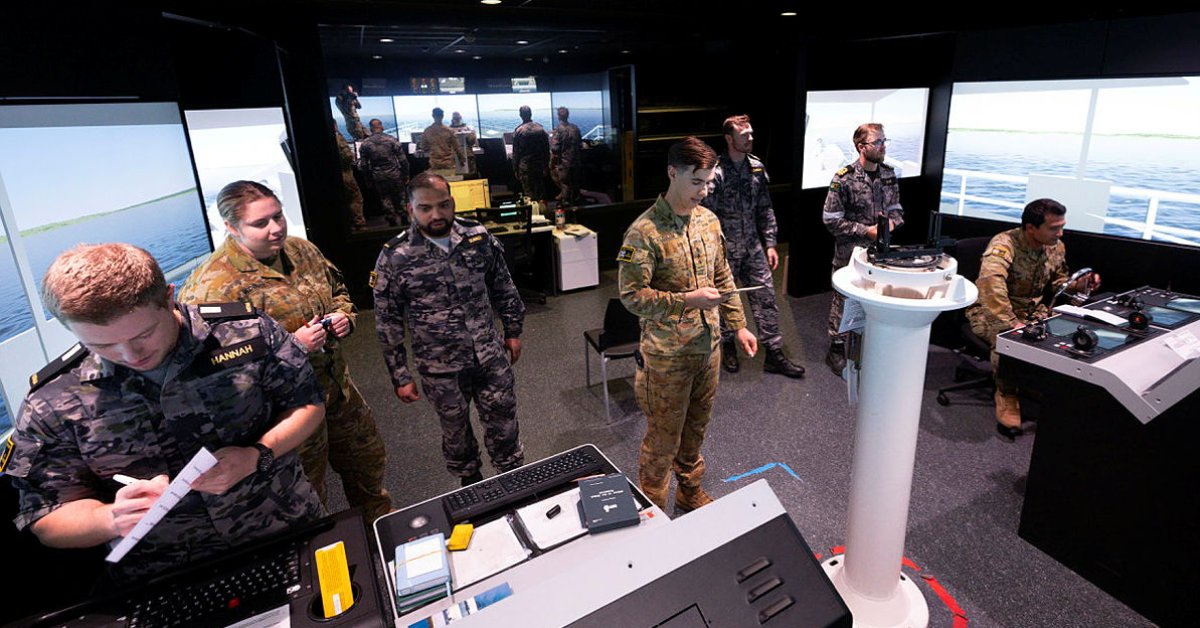
Australian Army Launches New Coastal Force at Gallipoli Barracks, Brisbane

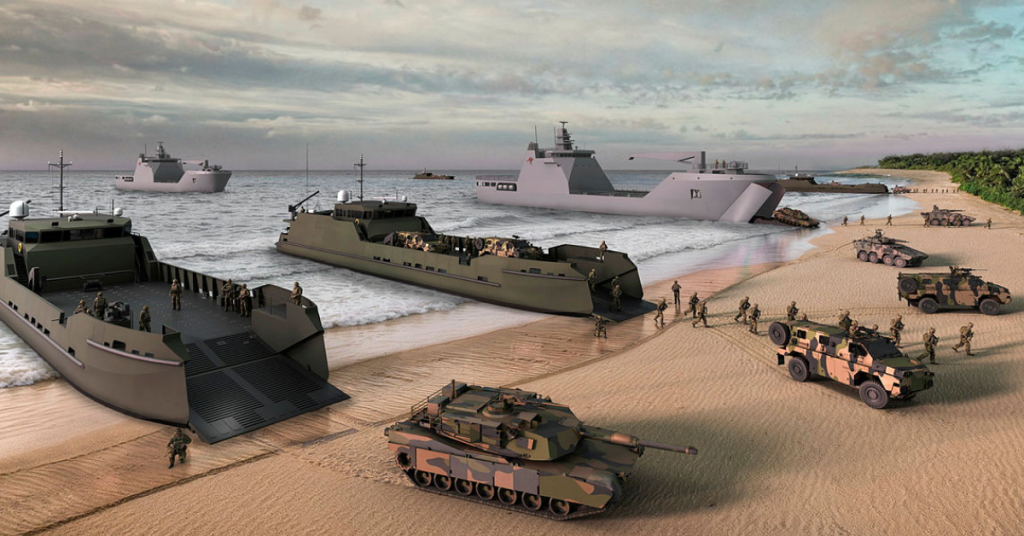
The Australian Army is launching a major new coastal force at Gallipoli Barracks, Brisbane, to fix the gap in the nation’s ability to move troops and heavy gear across its vast northern coastline.


During a ceremonial parade on 31 October 2024, the military formally started the Littoral Manoeuvre Group. This group is the new heart of a plan to make sure the Army can reach remote islands and coastal areas quickly. While the headquarters is staying at Gallipoli Barracks for now, the plan is to spread this power further north. 

Chief of Army Lieutenant General Simon Stuart explained that the group helps the military hold ground and stop others from using the northern paths into Australia. The goal is to make sure that if a challenge pops up in the waters or on the islands near Australia, the Army is ready to respond without delay.

New Tools for Tough Terrain

To make this plan work, the government is moving fast to buy new equipment. The Army is getting medium and heavy landing craft and better ships that can work in shallow water. These vessels are important because they allow the military to carry big items like Abrams tanks and heavy weapons onto beaches where there are no docks. 

By bringing together different specialist teams into one group, the Army hopes to make their work much smoother. This change helps different parts of the military talk to each other better and move as one team under the 17th Sustainment Brigade.

Training the Next Generation

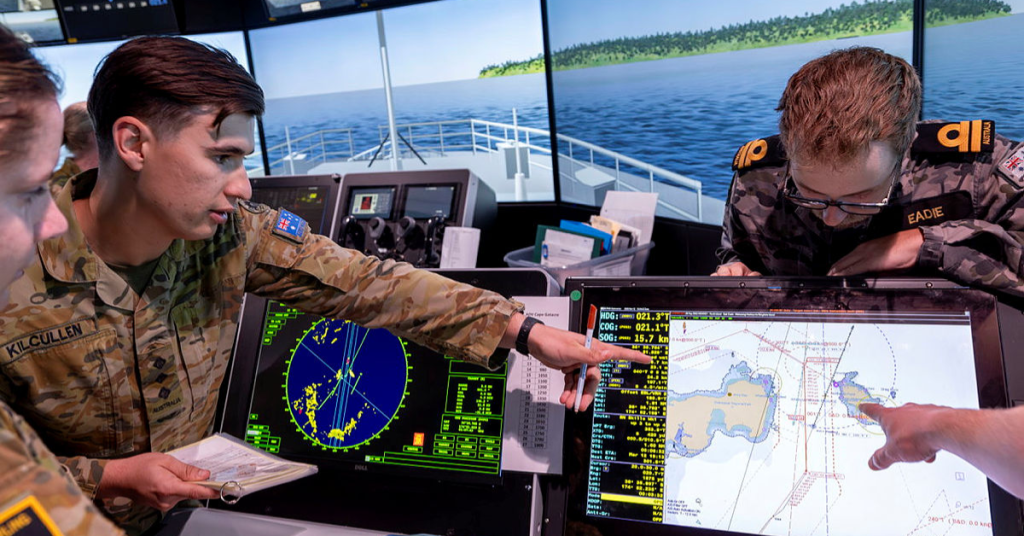
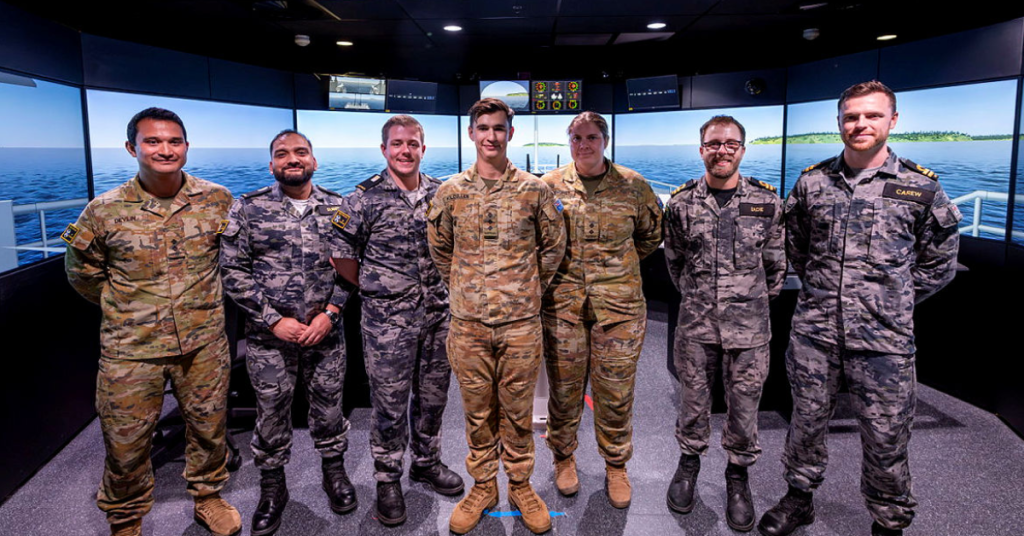
A big part of this new group is the people behind the machines. Colonel Rory Hale noted that the Army is creating a special team of soldiers who are experts at working where the land meets the sea. They are working closely with the Navy and local TAFE colleges to teach these soldiers the specific skills they need for maritime life. 

This creates new jobs and career paths for people who want to serve their country in a different way. By focusing on training, the Army is trying to build a group of confident coastal experts who can handle the difficult environment of the Indo-Pacific region.


Spreading Strength Across the North

While Brisbane is the starting point, the footprint of this new force will soon grow much larger. New groups of soldiers and landing craft will be stationed in the Northern Territory and North Queensland. Placing these units right next to existing combat brigades means the Army can move much faster during an emergency. This setup is designed to help keep the northern approaches to Australia safe and ensure that the military can stay in one spot for as long as they are needed to protect the region.

Published Date 06-April-2026

Stan the Ram’s Legacy Lives On at Enoggera This ANZAC Day

The 8th/9th Battalion, Royal Australian Regiment at Enoggera is marking ANZAC Day by reflecting on over five decades of tradition linked to its distinctive regimental mascot—Stan the Ram.


Marching on Four Legs: A History of Stan the Ram at Enoggera

For more than 50 years, a succession of merino rams, each officially named John Macarthur but known to diggers as Stan, has served as the symbolic mascot of the 8/9 RAR. The battalion is based at Gallipoli Barracks in Enoggera. As ANZAC Day approaches, the battalion reflects on the enduring legacy of Stan the Ram, a tradition born in 1971 and still marching strong in 2025.

 Enoggera barracks
Caption: Private John ‘Stan’ MacArthur IX arriving at Enoggera barracks. (2020)
Photo Credit: Australian Army/Facebook

From Scone to Parade Ground

The tradition began in early 1971 when Mr W.W. Collinson of Scone, New South Wales, donated a purebred merino to the 9th Battalion, Royal Australian Regiment. With permission from the Macarthur-Onslow family, the ram was named Private John Macarthur I. This move is a tribute to Australia’s wool industry pioneer. However, among the soldiers, the name “Stan” stuck.

Formally presented on parade in March 1971, Stan quickly became a part of daily life and military routine. When 9 RAR was amalgamated with 8 RAR to form 8/9 RAR in October 1973, the new battalion retained the mascot without interruption.

Tales of Tradition and Discipline

Over the decades, Stan became more than a symbol—he was an active participant in battalion culture. Some stories are now legendary. In the 1970s, Stan I famously knocked down the brigade’s Regimental Sergeant Major, WO1 Lamb, outside Battalion HQ—a moment forever etched in the battalion’s collective memory.

Every Stan also leads parades and stands on review during commemorations. Stan V has taken part in significant events such as the 1992 Freedom of Entry to Brisbane and annual battalion birthday parades at Enoggera. 

Brisbane Anzac Day Parade
Caption:  John “Stan” MacArthur in the Brisbane Anzac Day Parade (2015)
Photo Credit: State Library Queensland

Each Stan has held an honorary rank, starting at Private and sometimes progressing through promotions. The mascots are formally inducted, given service numbers, and assigned handlers—often junior soldiers tasked with training them for ceremonial appearances.

Stan’s Place in Ceremonial Life

The mascot’s fleece has been woven into regimental history in a literal sense. Over the past five years, the Caloundra Spinners and Weavers have processed the ultrafine wool from Stan—dyed in the battalion’s slate grey and beech brown colours—and braided it into ceremonial lanyards. 

Stan the Ram fleece
Caption: During the process of spinning and braiding Stan’s fleece.
Photo Credit: Mac Kerrie/Instagram

These lanyards are now worn by battalion members on ANZAC Day, continuing a tactile link between the mascot and those who serve.

Stan the Ram Timeline (John Macarthur I–IX)

  • 1971 – John Macarthur I
    Donated from Scone, NSW. Became 9 RAR’s mascot. Then, 8/9 RAR’s mascot after the 1973 merger. Promoted to Corporal.
  • c.1979 – John Macarthur II
    Killed by stray dogs after a pen relocation in 1984.
  • 1984 – John Macarthur III
    Served mid-1980s; donated by the Roberts family.
  • Late 1980s – John Macarthur IV
    Mascot during ceremonial years until 1991.
  • c.1991 – John Macarthur V
    Held rank of Lance Corporal. Joined the parade for Brisbane’s Freedom of Entry in 1992. Retired when 8/9 RAR disbanded in 1997.
  • 2008 – John Macarthur VI
    Revived mascot tradition after 8/9 RAR re-raised. Retired in early 2010s.
  • 2013 – John Macarthur VII
    Served through mid-2010s. Retired in 2019.
  • 2017 – John Macarthur VIII
    First to have a ewe companion, Lizzie. Retired in 2020.
  • 2020 – John Macarthur IX (current)
    Enlisted and serving as the present mascot. Appears in parades and public events from Enoggera.
Stan the Ram
Caption: During the retirement of Stan the Ram in 2020.
Photo Credit: Australian Army/X

More Than a Mascot

While dogs, pigeons, and horses played active roles in wartime, Stan the Ram represents a different contribution—symbolism, spirit, and connection. His presence at Enoggera has bridged generations of service, brought light-hearted relief to regiment life, and served as a community ambassador at schools, hospitals, and civic events.

 John ‘Stan’ MacArthur VIII
Caption: Private John ‘Stan’ MacArthur VIII during his first Army haircut.
Photo Credit: 8/9 RAR/X

Far from being just a novelty, Stan the Ram remains a respected part of 8/9 RAR’s structure. Saluted on parade and honoured in the mess, each Stan has reinforced the regiment’s heritage and offered soldiers a reminder that tradition, mateship and humour hold a place alongside duty and discipline.

An Enduring Presence at Enoggera


ANZAC Day will be commemorated at Gallipoli Barracks on 25 April. Stan the Ram’s story continues through his current iteration. Whether on parade, in the field, or at a community event, he stands not only as a mascot, but as a living emblem of 8/9 RAR’s history, identity, and the enduring link between soldier and service.

Published 10-Apr-2025

Australian Army to Acquire New Unmanned Aerial Surveillance System, Build Gallipoli Barracks Facilities

The Australian Army is set to acquire twenty-four new uncrewed aerial surveillance systems to be manufactured in Brisbane. Facilities at Gallipoli Barracks in Enoggera will also be established to support the delivery of these new capabilities.


Boeing’s Insitu Pacific Pty Ltd has been tapped to supply the Australian Army with 24 of their signature “integrator” platforms, associated ground systems and integration services. The acquisition is meant to boost the Army’s capabilities in gathering intelligence, undertaking reconnaissance and surveillance missions, and acquiring targets for weapons systems across the Australian Defence Force.

Production of the unmanned aerial surveillance system has already commenced, with delivery expected in 2023 and 2024.

“This is just one example of the way the Morrison Government is growing our sovereign capability,” Minister for Defence, the Hon Peter Dutton MP said regarding the acquisition which is part of the Defence’s $650-million investment.

“This project will enhance the Australian Army’s capabilities by harnessing the innovation and cutting-edge technologies being developed right here in Australia.

The new platform will be manufactured at Instituto Pacific’s facility in Brisbane whilst the components will be sourced from suppliers around Queensland and across Australia. The project will be further supported by a $56 million investment in facilities to be built at Gallipoli Barracks in Enoggera.


Minister Dutton said that 80 per cent of the $650 million budget will be spent in Australia using Australian companies and technology to manufacture, maintain and operate the platform throughout its life. A total of $307 million alone will be committed to the acquisition and initial contract period with Instituto Pacific Limited and is expected to support 130 new and existing jobs in Brisbane and across Australia.

“People may not have always associated Brisbane with the defence industry in the past, but projects like this demonstrate the real opportunities advanced manufacturing can offer now and into the future,” Member for Brisbane, Trevor Evans, said.