


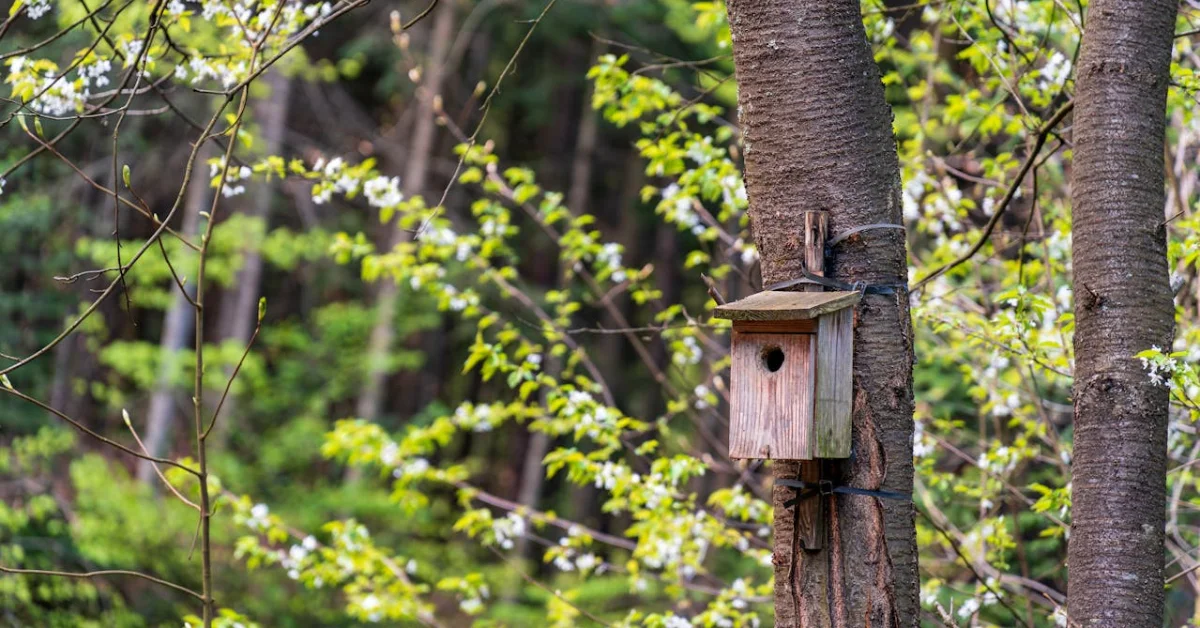
When a resident from The Gap installed a nest box seven metres up a tree on their property, they had one resident in mind. The Southern Boobook, a small native owl common to Brisbane’s outer western suburbs. What they got instead was considerably longer, scalier, and altogether more dramatic.
Read: Snake Catcher Uses Hairdryer to Capture Python in The Gap
A python moved in. Or possibly more than one.

The resident, who posts as Wildlife in The Gap on a local Facebook group, reported that when tradies arrived to remove their garage roller door, a three-metre python dropped out with it. Whether it was the same snake spotted earlier in the nest box, or evidence of a second resident, remains unclear.
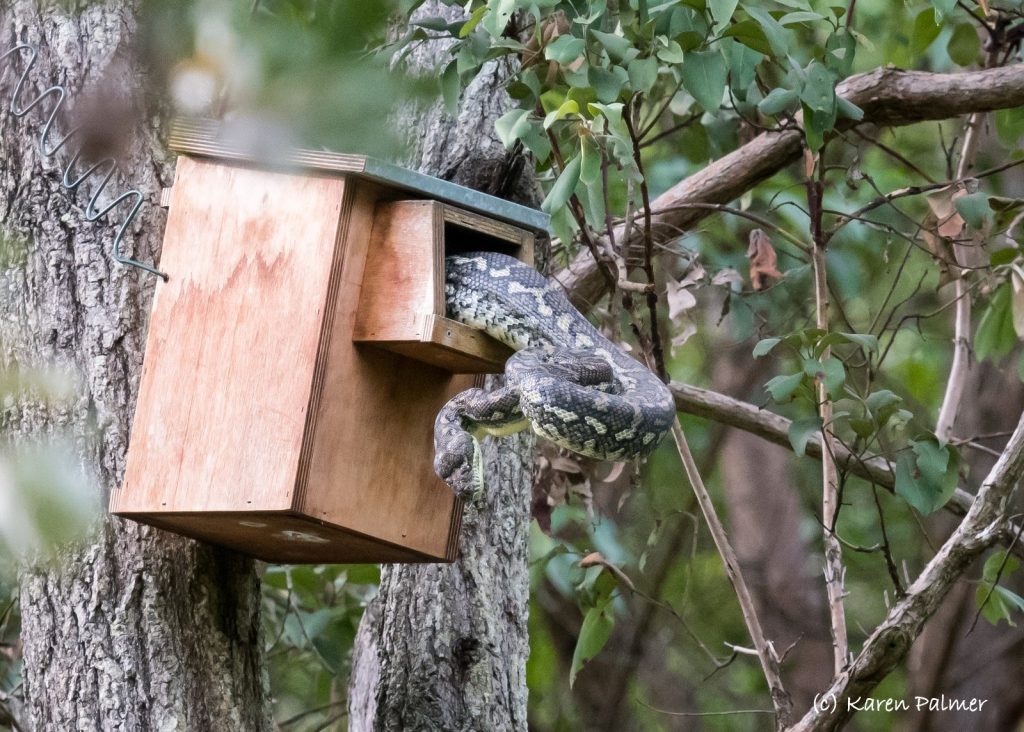
The post drew plenty of attention from neighbours, and not all of it enthusiastic. A local resident raised a concern about nest boxes without escape routes, questioning whether they simply become a magnet for predators like pythons.

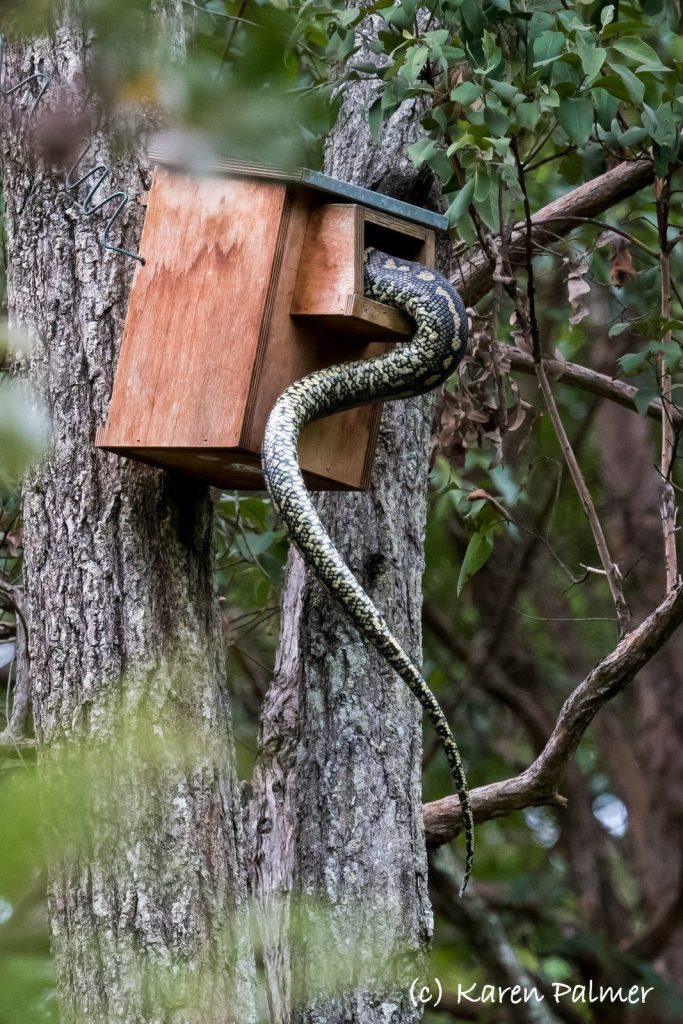
The nest box owner pushed back gently, noting that natural tree hollows offer no such protection either, and that many commercially available nest boxes do include escape hatches. More broadly, they reflected that installing habitat features means accepting the full cast of characters that nature sends along, predators included. The Boobook Owl the box was designed to attract is itself a predator, after all. Their approach, they explained, is to support as rich and functioning an ecosystem as possible, without picking winners and losers.

Nest Boxes and Brisbane’s Offset Program
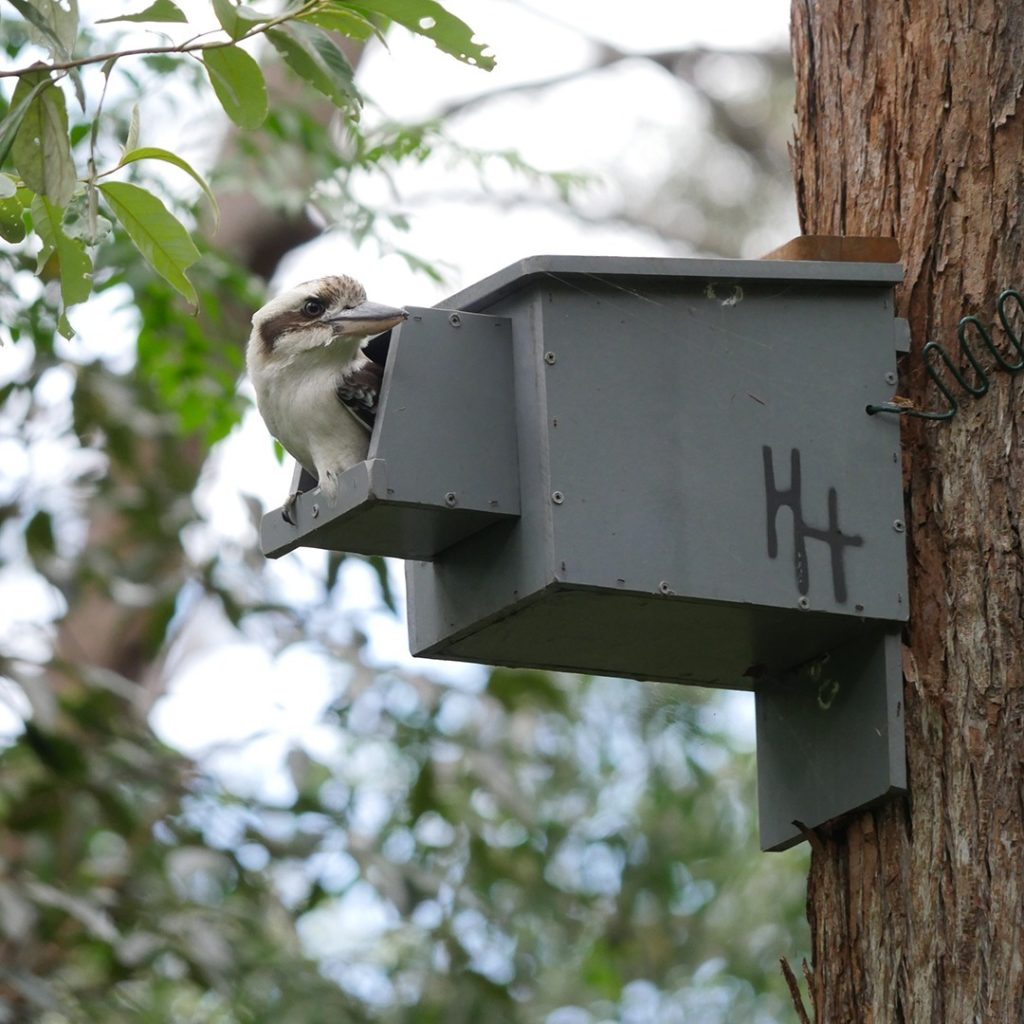
It reflects a broader approach that Brisbane’s environmental programs actively encourage.
Brisbane’s Environmental Offsets and Restoration Program installs nest boxes across designated offset sites throughout the city to supplement existing tree hollows. Those hollows are critical nesting and roosting habitat for native birds and wildlife. Nest boxes are one of the practical tools used to protect Brisbane’s biodiversity, forming part of the Brisbane Clean, Green, Sustainable strategy and contributing to a target of 40 per cent of mainland Brisbane with natural habitat by 2031.
Read: Snake Sightings Are On the Rise in The Gap & Nearby Suburbs



Complementing that work is the Land for Wildlife program, which supports private landowners to conserve and restore wildlife habitat on their own properties. It is a significant initiative given that more than half of Brisbane’s local flora and fauna lives on privately owned land. Landowners who join receive advice on revegetation, local species identification, and how to manage their land for wildlife.
Published 12-May-2026